This video explores the concept of the Internet of Things (IoT), its benefits, and its applications in various industries. The IoT refers to connecting any device to the internet and other devices, enabling data collection and sharing between them. The video delves into the hardware and protocols used in IoT, including sensors, actuators, and connectivity blocks, as well as security considerations and best practices. It also discusses the impact of IoT on industries such as finance, healthcare, manufacturing, and transportation, and how it can provide a competitive advantage to businesses. By understanding the fundamentals of IoT, viewers can gain insights into its potential applications and benefits in various sectors.
Introduction
The video discusses the concept of the Internet of Things (IoT) and its importance. The narrator explains that IoT refers to connecting any device to the internet and other devices, allowing them to interact with each other and collect and share data. The video aims to provide a comprehensive understanding of IoT, including its hardware and protocols, security standards and practices, and use cases.
Key Facts
- IoT Definition: IoT is the concept of connecting any device to the internet and other devices.
- Benefits of IoT: Connecting devices to the internet yields amazing benefits, but what exactly is IoT?
- Hardware and Protocols: The hardware used in IoT can be divided into two categories: general devices and sensing devices.
- Device Management Platforms (DMPs): DMPs are platforms through which assets interact with the software layer through network gateways.
- Connectivity Blocks: Connectivity blocks collectively form the backbone of an IoT setup, including USB, CAN protocols, Modbus, LoRa, and Zigbee.
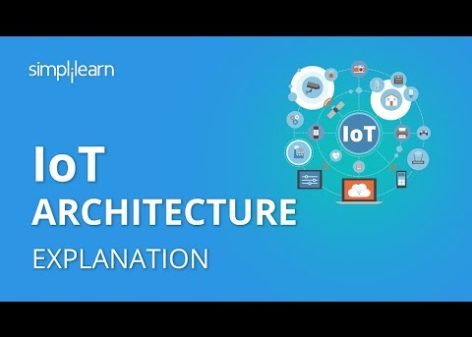
- IoT Device Architecture: The device architecture consists of four layers: base layer (sensors), aggregation layer (gateway), processing engine (cloud), and application layer (API management).
- Security Considerations: IoT security is crucial, with measures including tamper-proof hardware, encryption, kernel controls, and division of networks into segments.
- Value Drivers: Key value drivers for IoT include employee productivity, supply and logistics, customer experiences, innovation, time to market, asset utilization, and data analysis.
Conclusion
The video concludes by discussing the growth engine of IoT, which includes people, process, things, and data. It emphasizes the importance of following internet ethics and compliance in IoT development. The narrator also highlights various use cases of IoT, including fleet management, banking, and financial services. Finally, the video encourages viewers to subscribe to the Simply Learn YouTube channel for more similar content.