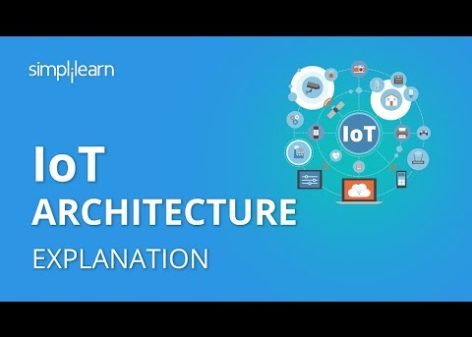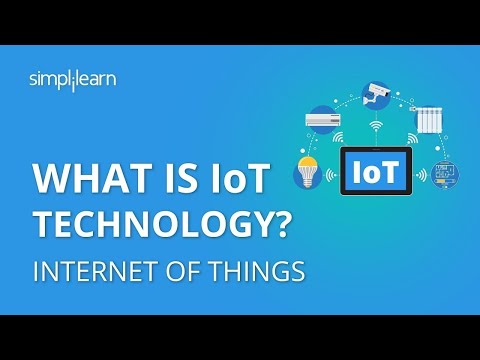

- The Internet of Things (IoT) is a system of interconnected devices that transfer data over a wireless network without human intervention. - With the rise of IoT, practically all appliances can be connected to the internet and monitored remotely, making our lives easier and more convenient. - The IoT architecture consists of four layers: device layer, communication layer, bus layer, and event processing and analytics layer. - This video explores various use cases of IoT, including smart farming, smart money transfer, and air monitoring systems. - By understanding the concepts and applications of IoT, we can unlock new opportunities for innovation and growth in various industries.
Introduction The video discusses the concept of Internet of Things (IoT) and its impact on our daily lives. The speaker explains that IoT refers to a system of interconnected devices that transfer data over a wireless network without human intervention. Key Facts
- IoT is a system of interrelated devices connected to the internet to transfer and receive data from one to the other.
- IoT has four layers: device layer, communication layer, bus layer (aggregation layer), and event processing and analytics layer.
- The device layer consists of sensors that collect data, actuators that perform actions, and gateways that connect devices to the internet.
- The communication layer enables data exchange between devices using protocols such as HTTP, MQTT, and REST.
- The bus layer (aggregation layer) acts as a message broker, aggregating and combining communications from multiple sources.
- The event processing and analytics layer processes data from sensors and provides insights for decision-making.
- IoT has various applications in industries such as smart homes, wearables, smart cars, smart farming, and smart cities.
- IoT is expected to grow exponentially, with over 80 billion devices connected by 2025.
Conclusion The video concludes that IoT is a revolutionary technology that will change the way we live and interact with our surroundings. It highlights the importance of understanding IoT architecture, frameworks, and design considerations for successful implementation. The speaker also mentions various use cases of IoT, including smart farming, smart homes, and smart cities, and emphasizes the need to address interoperability challenges in IoT development. Key Takeaways
- IoT has four layers: device layer, communication layer, bus layer (aggregation layer), and event processing and analytics layer.
- The device layer consists of sensors that collect data, actuators that perform actions, and gateways that connect devices to the internet.
- IoT has various applications in industries such as smart homes, wearables, smart cars, smart farming, and smart cities.
- IoT is expected to grow exponentially, with over 80 billion devices connected by 2025.
Key Facts
- The number of connected devices is expected to reach 80 billion by 2025.
- IoT has various applications in industries such as smart homes, wearables, smart cars, smart farming, and smart cities.
- IoT has four layers: device layer, communication layer, bus layer (aggregation layer), and event processing and analytics layer.
- The device layer consists of sensors that collect data, actuators that perform actions, and gateways that connect devices to the internet.
- IoT is expected to grow exponentially, with over 80 billion devices connected by 2025.
Key Concepts
- IoT architecture
- IoT frameworks
- IoT design considerations
- IoT interoperability challenges
- IoT applications in various industries
Use Cases
- Smart farming
- Smart homes
- Smart cities
- Smart cars
- Smart wearables