Here is a short video description in 5 sentences:The Internet of Things (IoT) refers to a system of interconnected devices that transfer data over a wireless network without human intervention. IoT has revolutionized the way we live, with practically all appliances now connected to the internet and monitored remotely. The IoT architecture consists of four layers: device layer, communication layer, bus layer, and event processing and analytics layer. IoT is being adopted in various industries, including finance, healthcare, manufacturing, and transportation, and its applications are vast and diverse. With the growth of IoT, we can expect to see new innovations and technologies emerge, transforming the way we live and interact with technology.
Introduction
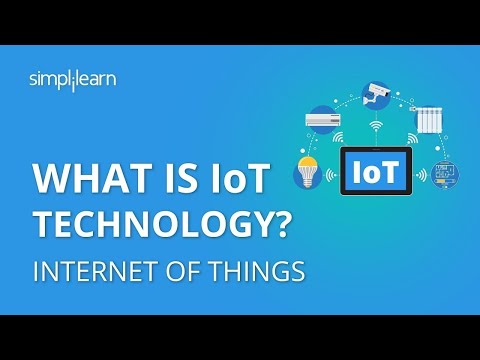
The video discusses the Internet of Things (IoT), which refers to the network of physical devices, vehicles, home appliances, and other items embedded with sensors, software, and connectivity, allowing them to collect and exchange data. The speaker explains that IoT is not just about connecting devices to the internet but also about creating a system where these devices can interact with each other and with humans.
Key Facts
1. IoT is a system of interconnected devices that transfer data over a wireless network without human intervention.
2. IoT has transformed the way we live, work, and interact with our surroundings.
3. The number of connected devices is expected to reach 80 billion by 2025, more than double the world’s population in 2018.
4. IoT is being used extensively in various industries, including smart homes, wearables, watches, bracelets, smart cars, smart farming, smart retail, and smart grids.
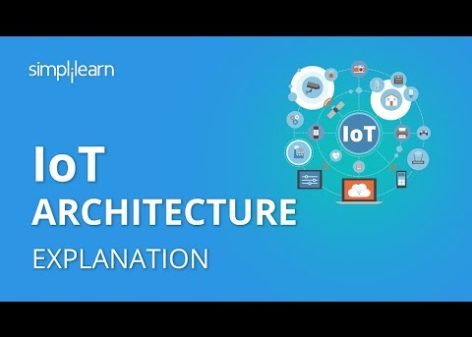
5. The IoT architecture consists of four layers: device layer, communication layer, bus layer (aggregation layer), and application layer.
6. IoT devices can be classified into two categories: general devices and sensing devices.
7. Sensors are becoming the end points of IoT networks, collecting data on various parameters such as temperature, humidity, light intensity, and location.
8. Actuators perform similar functions to sensors but with different capabilities, working as an interface between sensors and machines.
9. The cloud acts as both storage and processing unit for IoT data, performing actions on the collected data for further learning and inferences.
10. IoT connectivity is evolving with new technologies like 5G, which will increase the penetration of IoT.
Conclusion
The video concludes that IoT is a paradigm shift in effective multitasking with massive applications. The speaker emphasizes that IoT will bring about the next industrial revolution and transform the way we live and experience technology today. The future of IoT looks promising, with new technologies like 5G and machine learning being integrated into the ecosystem.