
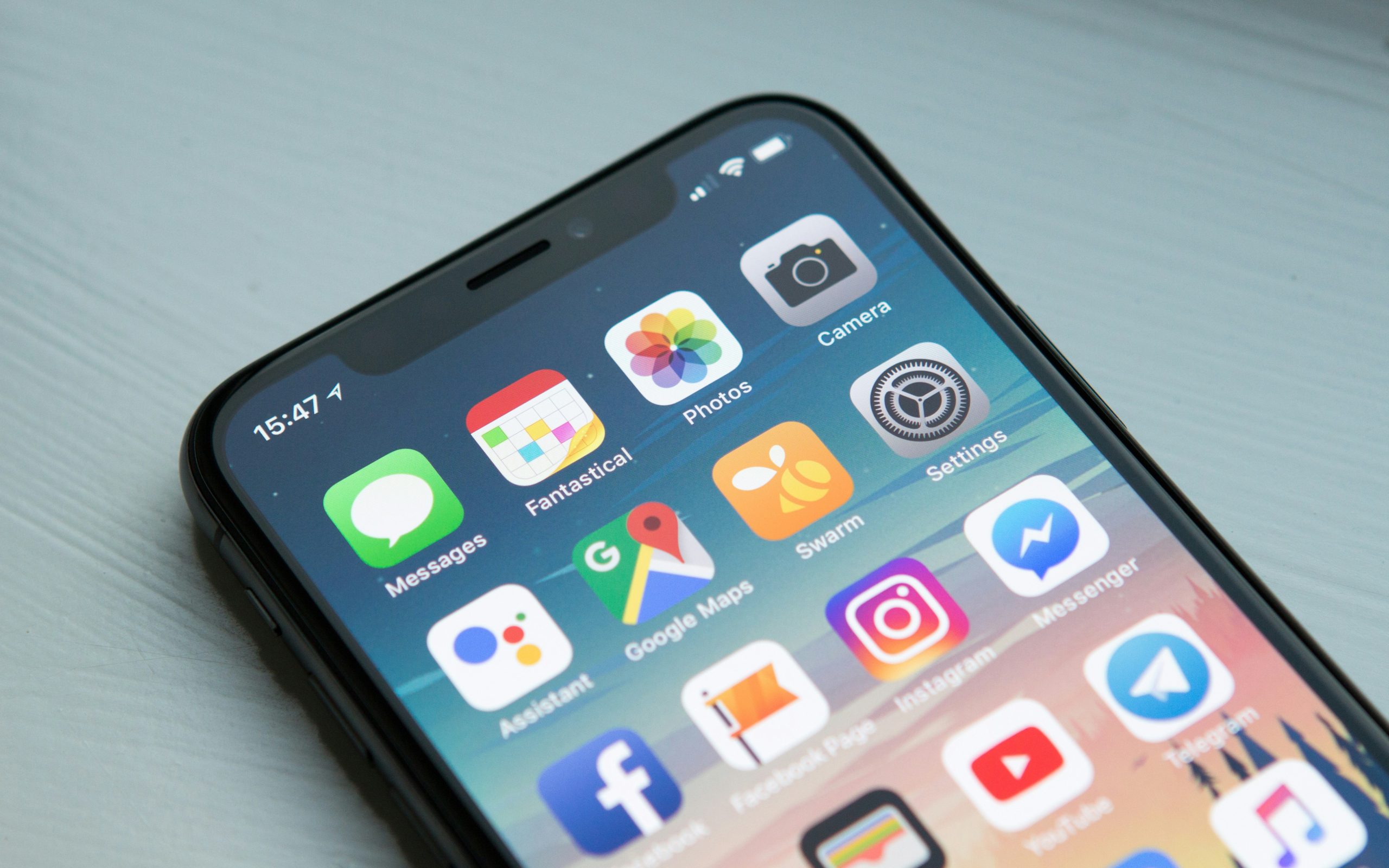
Source of this article and featured image is DZone JavaScript. Description and key fact are generated by Codevision AI system.
This article explores why some mobile apps function without Wi-Fi, while others don’t, focusing on the role of native development in enabling reliable offline use. It highlights how native apps leverage device capabilities for seamless offline experiences, making them more robust in real-world scenarios. ARSALAN HUSSAIN, the author, explains that native apps can access local storage and system APIs, allowing for features like background syncing and caching. The article is worth reading because it provides a clear understanding of the technical differences between app types and their offline capabilities. Readers will learn how to build apps that work reliably in any environment, whether online or offline.
Key facts
- Native mobile apps are better at handling offline use due to their direct access to device storage and system APIs.
- Offline support involves caching data and retrieving it when internet is unavailable, which is easier to implement in native development.
- Apps like Spotify, Google Maps, and Evernote are examples of offline-savvy apps that function well without an internet connection.
- Cross-platform apps can support offline use, but they often require more work, plugins, and testing compared to native apps.
- Designing for offline use should prioritize core features, avoid overcaching, and ensure clear communication about sync processes.