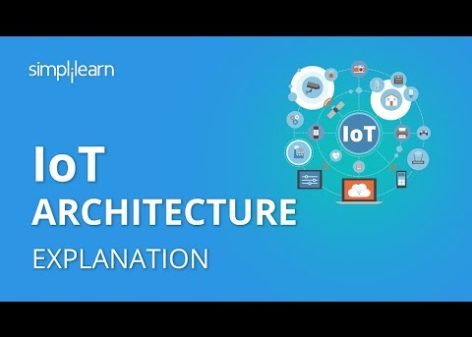
The internet revolution has evolved through three major phases: personal computers, mobile devices, and now the Internet of Things (IoT). IoT connects everyday devices to the internet, reshaping how we interact with technology in daily life. By integrating big data and predictive analytics, IoT enhances efficiency and improves user experiences. This shift is transforming industries like healthcare, education, and manufacturing through smarter, interconnected systems. The future promises even greater innovation as IoT continues to redefine how we live and work.
Introduction
The video discusses the three waves of the internet revolution, with the first wave being personal computers, the second wave being mobile devices, and the third wave being the Internet of Things (IoT). The IoT is expected to bring about a new industrial revolution and transform the way we live and experience technology.
Key Facts
- The IoT connects everything to the internet in real-time, improving our quality of life and experiences.
- Sensors are becoming the endpoints of IoT networks, collecting data and information such as location, images, weather conditions, etc.
- Big data analytics and predictions help perform tasks seamlessly with minimal errors.
- The future of IoT will bring about a shift from wideband to narrowband networks for better range and communication systems will transcend from 4G to 5G wireless communications.
- IoT will enable effective multitasking with massive applications.
- IoT will be seen in every industry, including education, healthcare, manufacturing, automotive, etc.
- The fourth wave of the internet revolution may be the Internet of Everything (IoE), which encompasses all physical things, processes data and people through wearables and surgically implanted sensors.
Conclusion
The growth of ubiquitous connectivity and IoT is expected to change the way billions of people live their lives today, bringing about a new industrial revolution and transforming our experiences with technology.