
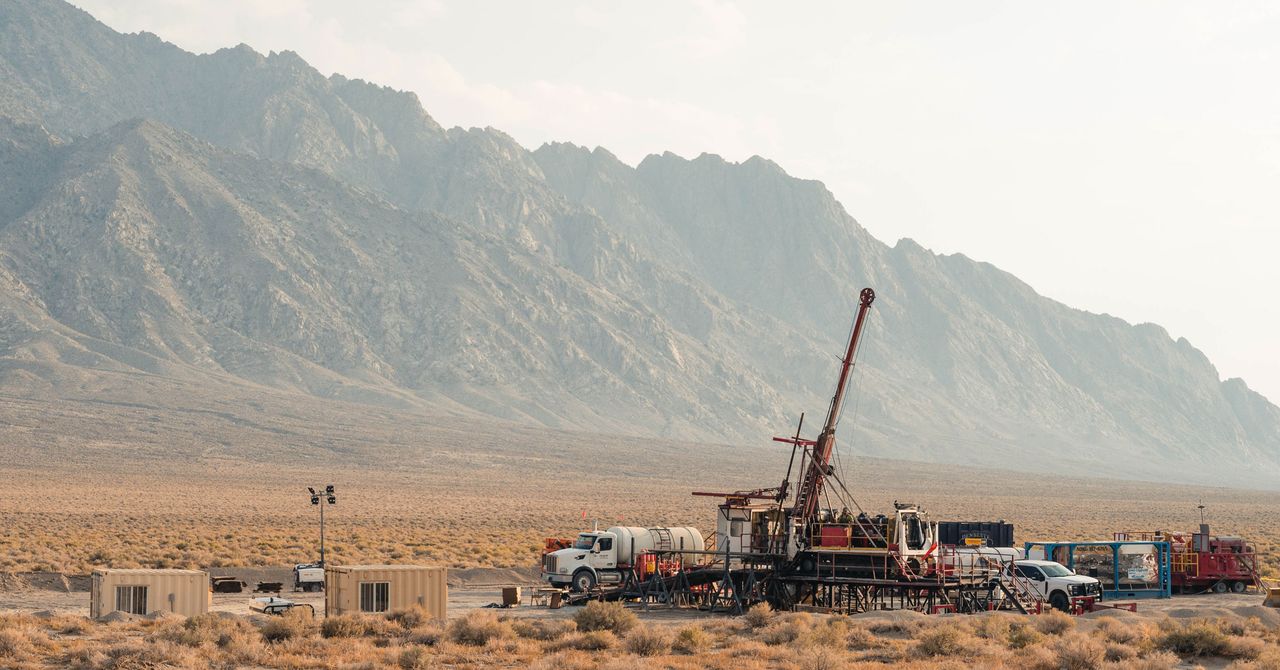
Source of this article and featured image is Wired Science. Description and key fact are generated by Codevision AI system.
A startup named Zanskar claims to have discovered a new way to harness geothermal energy by targeting hidden underground reservoirs. Traditional geothermal methods rely on surface-accessible heat sources, while Zanskar uses AI and data analysis to locate deeper, previously undetected systems. These blind geothermal systems could provide significantly higher energy potential than previously estimated. The company’s approach may revolutionize renewable energy by reducing reliance on costly drilling. Experts debate whether blind systems or enhanced geothermal systems (EGS) will dominate the future of geothermal energy.
Key facts
- Blind geothermal systems, located deep underground, are estimated to hold tens to hundreds of gigawatts of energy, far surpassing earlier estimates.
- Zans, the startup, employs AI-driven analytics to detect these hidden reservoirs, minimizing the need for expensive drilling operations.
- Enhanced geothermal systems (EGS) artificially create steam by injecting water into hot rock, though this method faces technical and environmental challenges.
- The debate between blind systems and EGS centers on cost-effectiveness, scalability, and technological feasibility.
- Advancements in drilling technology and AI are critical for unlocking the full potential of geothermal energy.
TAGS:
#AI technology #drilling technology #energy innovation #energy solutions #enhanced geothermal systems #environmental impact #geothermal energy #renewable energy #sustainable energy #Zanskar