
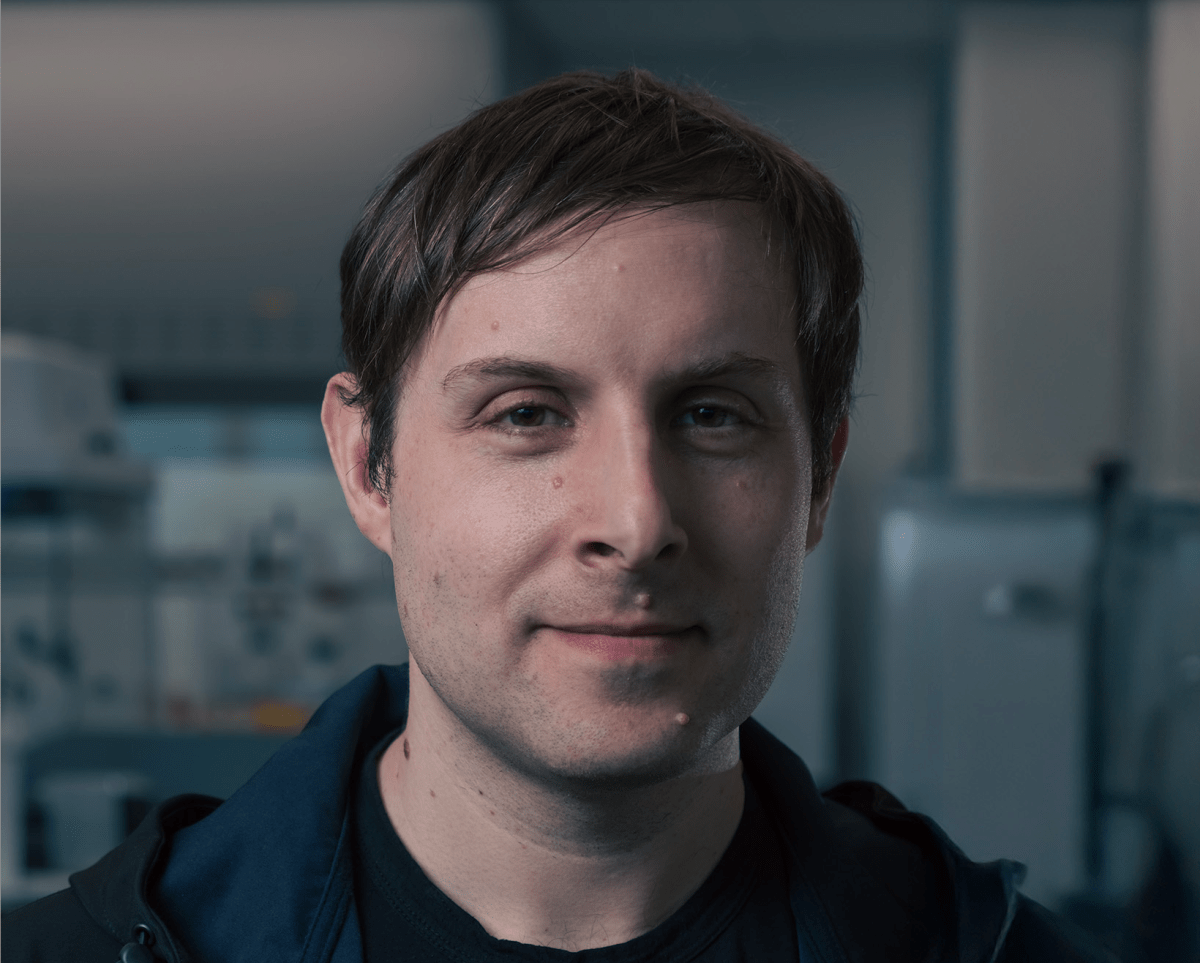
Source of this article and featured image is TechCrunch. Description and key fact are generated by Codevision AI system.
Max Hodak, a researcher at Neuralink, is exploring the transformative potential of brain-computer interfaces (BCIs) through their medical, societal, and philosophical implications. The article highlights how BCIs could revolutionize healthcare by treating conditions like macular degeneration and potentially extend human lifespans. Hodak envisions a future where consciousness might be transferred to new substrates, challenging traditional notions of health and identity. While acknowledging risks like inequality and ethical dilemmas, the piece emphasizes the unpredictable societal impacts of this technology. The discussion raises critical questions about privacy, autonomy, and the future of human-machine integration.
Key facts
- BCIs are being developed to treat severe conditions like macular degeneration using biohybrid neural interfaces that merge biological and artificial systems.
- Hodak predicts BCIs could become widely available by 2035, potentially extending lifespans and curing diseases through consciousness transfer.
- The technology may solve the ‘binding problem’ of consciousness, enabling shared neural experiences and the creation of conscious machines.
- Societal divides could emerge as cognitive enhancements become accessible only to the wealthy, straining healthcare budgets and exacerbating inequality.
- Ethical concerns include information manipulation through indirect neural pathways and the existential challenges of merging human consciousness with machines.
TAGS:
#Artificial Intelligence #brain-computer interfaces #consciousness #ethical implications #future technology #healthcare technology #Max Hodak #medical innovation #Neuralink #societal impact