Source of this article and featured image is Wired Science. Description and key fact are generated by Codevision AI system.
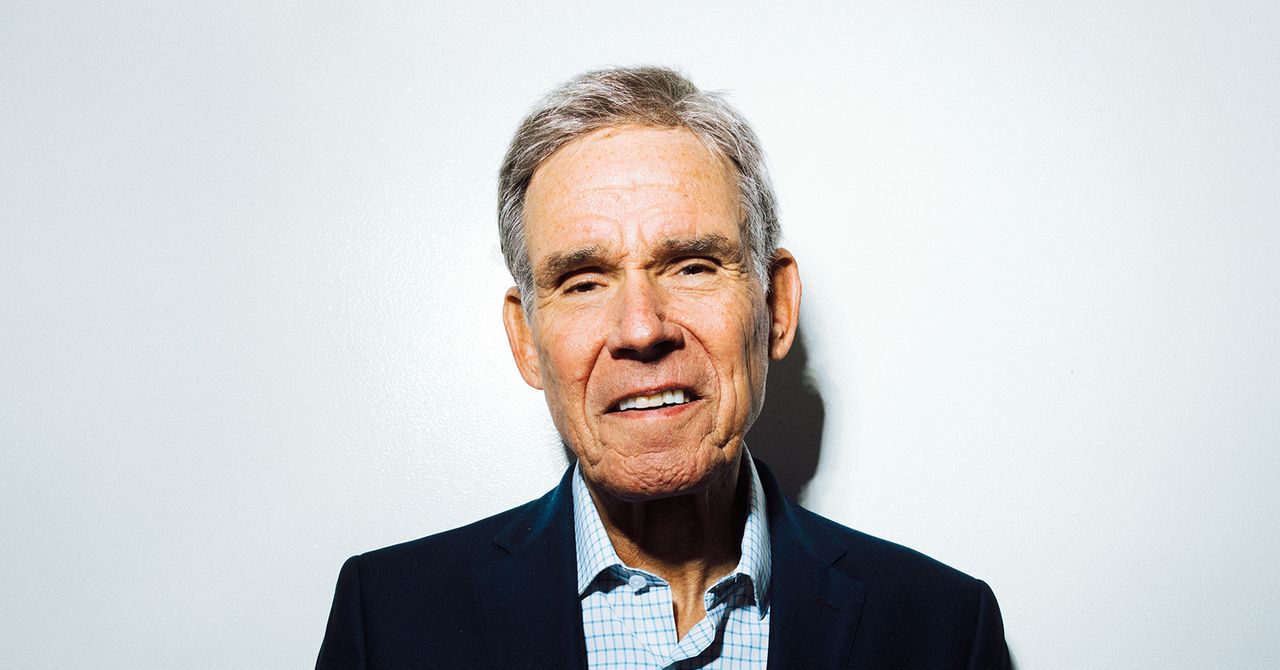
Dr. Eric Topol envisions a future where AI, biotechnology, and lifestyle changes could significantly extend healthspan to nearly match lifespan. Most Americans face declining health in their later years, with only one healthy year after age 65. Medical innovations like AI-driven diagnostics and GLP-1 drugs show promise in detecting diseases like Alzheimer’s years early. Environmental factors such as microplastics and pollution are highlighted as major contributors to chronic illnesses. Lifestyle choices, rather than extreme biohacking, are emphasized as the most effective way to improve long-term health.
Key facts
- AI can analyze medical data to detect diseases like Alzheimer’s and pancreatic cancer years before symptoms appear.
- GLP-1 drugs targeting the gut-brain axis may prevent Alzheimer’s and reduce inflammation, with potential benefits beyond metabolic health.
- Biomarkers like p-tau237 and organ clocks provide early insights into aging and disease risk, enabling targeted interventions.
- Environmental pollutants, including microplastics and air pollution, are linked to chronic inflammation and age-related conditions.
- Lifestyle changes such as diet, exercise, and stress reduction are positioned as the most cost-effective strategy to extend healthspan.
TAGS:
#aging research #AI in healthcare #Alzheimer's research #biotechnology #early disease detection #environmental health #GLP-1 drugs #healthspan #lifestyle changes #medical innovation