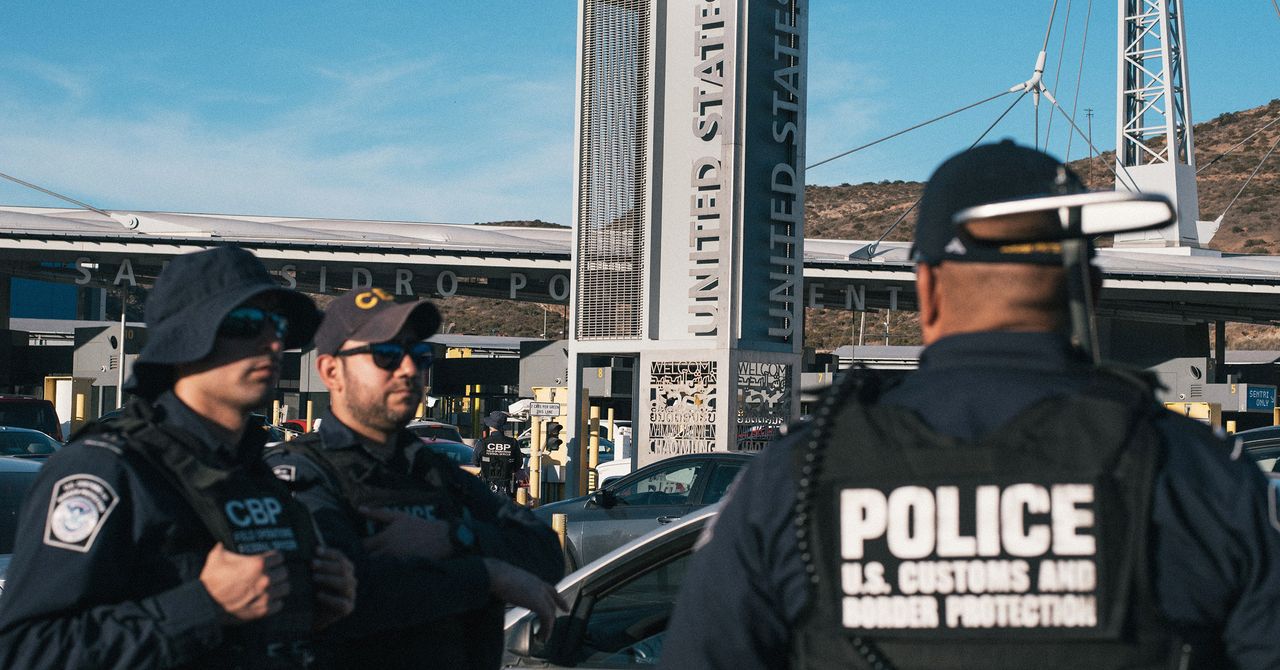
United States Customs and Border Protection (CBP) conducted a record number of phone and electronic device searches at the border over the past year, with a 17 percent increase compared to the previous fiscal year. The rise in searches is linked to the Trump administration’s immigration crackdown and increased surveillance measures. Travelers have reported longer detentions or denied entry due to content on their devices, raising concerns about privacy and border policies. Matt Burgess and Dell Cameron, the article’s authors, highlight the growing tensions between U.S. border enforcement and international visitors. This article is worth reading because it sheds light on the evolving landscape of border security and its impact on travelers. Readers will learn how CBP conducts searches, the legal framework surrounding these actions, and the implications for international visitors.
Key facts
- CBP conducted over 55,000 searches of electronic devices at the U.S. border in the past year, a significant increase from the previous fiscal year.
- The number of phone searches has risen by 17 percent in the last 12 months, with a sharp increase in the past six months.
- Advanced searches, which require reasonable suspicion, have increased by 3 percent compared to the 2024 fiscal year.
- Travelers have reported being denied entry or detained due to content on their phones, including memes or messages critical of U.S. policies.
- Federal courts are divided on whether advanced phone searches require warrants, with different rulings depending on the jurisdiction.