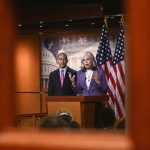
Source of this article and featured image is TechCrunch. Description and key fact are generated by Codevision AI system.
The article examines the growing conflict between state and federal governments over AI regulation in the U.S., with states enacting over 100 laws by 2025. Thirty-eight states have implemented rules targeting deepfakes, transparency, and AI use in government, though many impose minimal developer requirements. Federal lawmakers like Rep. Ted Lieu are pushing for comprehensive legislation to address AI risks, but face resistance from partisan divisions. Proponents of federal oversight argue for consistency, while state advocates warn of stifled innovation. The debate highlights tensions between accountability and adaptability in regulating rapidly evolving AI technologies.
Key facts
- 38 U.S. states have passed over 100 AI-related laws by November 2025, focusing on deepfakes, transparency, and government AI use.
- New York’s RAISE Act (2025) requires large AI labs to submit safety plans to prevent critical harms.
- Rep. Ted Lieu’s 200-page bill includes fraud penalties, deepfake protections, and mandatory testing for large language models.
- Federal preemption debates center on whether national standards are needed to avoid fragmented state regulations.
- Industry groups like Leading the Future argue states move too slowly, while critics claim federal oversight could hinder innovation.
TAGS:
#AI legislation #AI regulation #deepfakes #federal vs state #Government Oversight #Tech policy