
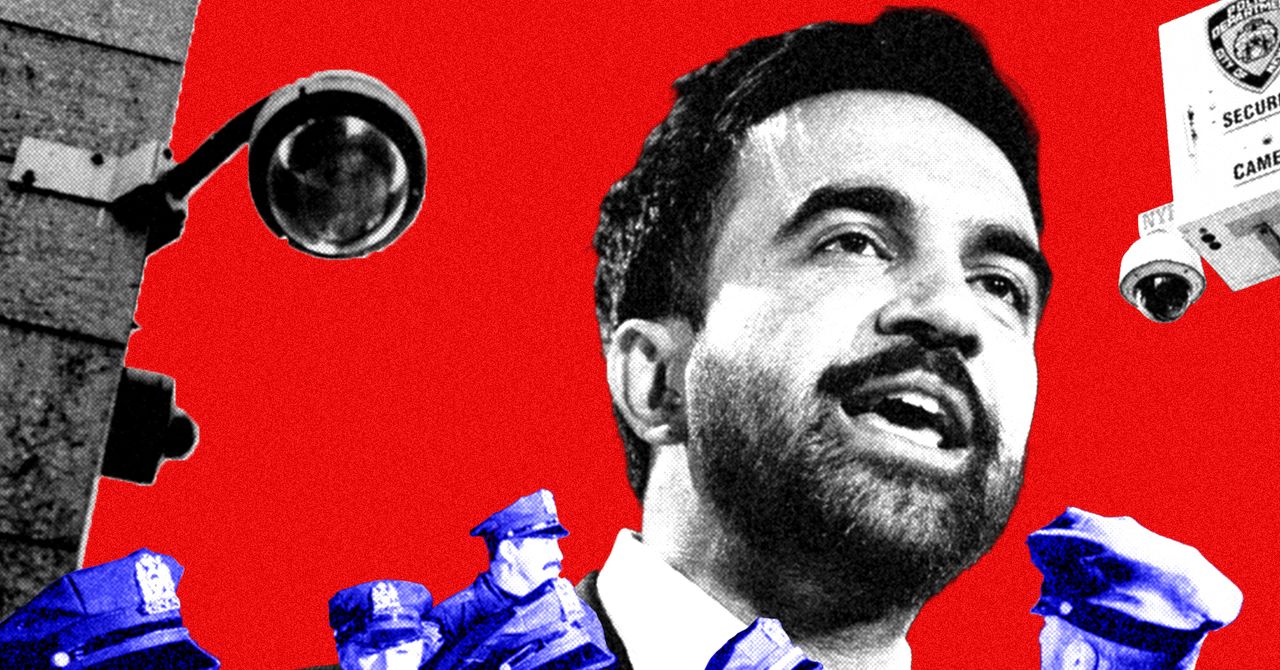
The article explores the growing role of advanced surveillance technologies in New York City’s police department, highlighting concerns over privacy and civil liberties. It examines how the NYPD has expanded its use of tools like drones and facial recognition, often under the guise of public safety. The piece also delves into the political and corporate influences shaping these technologies, including funding from private donors and foreign entities. A key focus is on the ethical implications of ethnic and religious profiling by the department, which has sparked legal challenges and public outcry. This article is worth reading because it provides a critical look at the intersection of technology, politics, and policing in one of the world’s largest cities. Readers will gain insight into the complex challenges facing modern law enforcement and the need for reform.
Key facts
- The NYPD has expanded its use of advanced surveillance technologies, including drones and facial recognition systems.
- The Domain Awareness System (DAS) is a real-time surveillance network that has raised concerns about mass monitoring and over-policing.
- The New York City Police Foundation (NYCPF) plays a key role in funding surveillance technologies and intelligence operations, often with support from foreign governments.
- Jessica Tisch, a prominent figure in the NYPD, has ties to influential families with political and philanthropic connections, raising questions about potential conflicts of interest.
- Advocacy groups like STOP argue that cities cannot be both sanctuary cities and surveillance states, emphasizing the need for reform.