Source of this article and featured image is Wired Science. Description and key fact are generated by Codevision AI system.
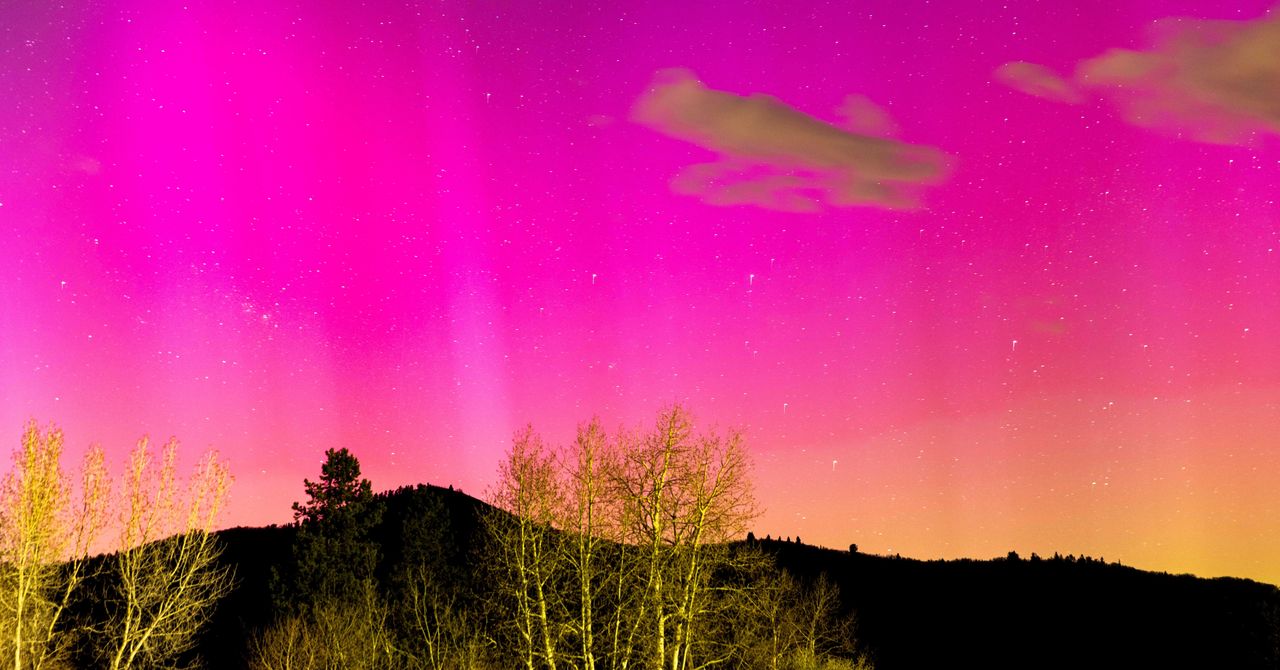
The article explores the physics behind the aurora borealis, explaining how solar activity and Earth’s magnetic field create the Northern Lights. It compares the process to neon lights, which also involve electron excitation and light emission. The article highlights the role of gases in the atmosphere, such as oxygen and nitrogen, in producing different colors of light. It also discusses how solar wind interacts with Earth’s magnetic field, causing distortions that lead to the spectacular light displays. Rhett Allain, the author, breaks down the science in an accessible and engaging way, making it ideal for readers interested in space and physics.
Key facts
- The aurora borealis is caused by the interaction between solar wind and Earth’s magnetic field.
- Different gases in the atmosphere, such as oxygen and nitrogen, produce distinct colors in the aurora.
- The Northern Lights can be seen during the day, though it is usually not visible to the naked eye.
- Solar storms can affect satellites, power grids, and communication systems on Earth.
- The Earth’s magnetic field can be distorted by solar wind, leading to changes in the aurora’s appearance.