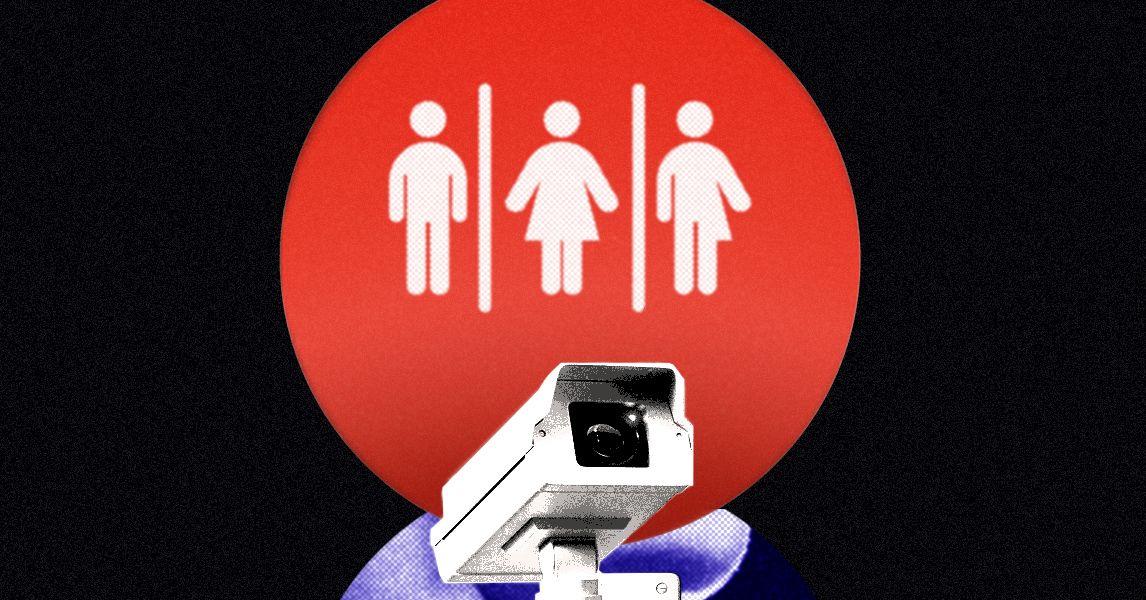
Source of this article and featured image is Wired Science. Description and key fact are generated by Codevision AI system.
Schools are increasingly using vape detectors to monitor student vaping, raising concerns about privacy and surveillance. These devices, deployed by companies like HALO and Triton Sensors, often integrate with cameras and sensors, sparking debates about mass monitoring. Punitive measures such as suspensions and alternative education programs dominate responses, despite calls for support systems and health education. Critics highlight systemic inequities, noting that low-income and minority students face disproportionate consequences. The article underscores the tension between combating vaping and protecting student rights, urging balanced approaches to address root causes.
Key facts
- Schools deploy vape detectors (e.g., HALO, Triton Sensors) to identify vaping in restrooms and other areas using environmental sensors.
- Privacy concerns arise from integrated surveillance systems, with students fearing constant monitoring in private spaces.
- Punitive policies like suspensions and alternative schools disproportionately impact marginalized communities.
- Security flaws in some devices allow hacking, enabling eavesdropping and fake alerts, while others collect environmental data.
- Experts argue that punitive measures fail to address vaping’s root causes, such as peer pressure and marketing, and risk long-term mental health harm.