Summary
The past week has seen significant developments in the realm of security, with several key stories emerging that highlight ongoing concerns about autonomous driving technology, government surveillance, and data privacy.
One of the most notable stories is the revelation that Tesla’s Full Self-Driving (FSD) system has been involved in at least 80 cases where it violated traffic rules by running red lights or crossing into incorrect lanes. This development underscores ongoing scrutiny of Tesla’s driver-assistance features by regulatory bodies, as detailed in Feds find more complaints of Tesla’s FSD running red lights and crossing lanes.
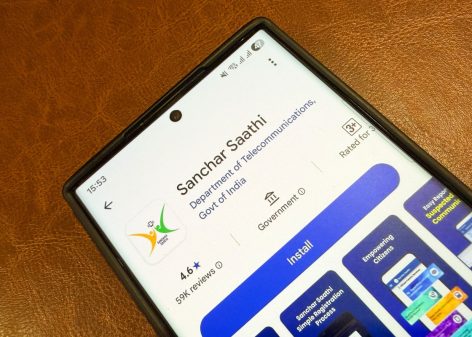
Meanwhile, India has abandoned its plan to mandate preinstallation of the Sanchar Saathi government app on smartphones due to public backlash and privacy concerns. The telecom ministry clarified that the app will remain optional for manufacturers, reversing a previous directive that required it to be baked into all devices. This decision comes as critics argued the policy risked expanding state surveillance capabilities and undermining user privacy protections, as reported in After intense backlash, India pulls mandate to preinstall government app on smartphones.
Another story that has raised concerns about data privacy is the revelation that Flock employs remote workers from Upwork in the Philippines to annotate surveillance footage. An accidental data leak revealed these workers review and categorize footage of US vehicles and people, raising questions about who accesses sensitive surveillance material. Law enforcement agencies use Flock’s technology to track vehicles without warrants, prompting legal challenges from civil rights groups, as detailed in Flock Uses Overseas Gig Workers to Build Its Surveillance AI.
Conclusion
The past week’s developments highlight ongoing concerns about the intersection of technology and security. As autonomous driving technology continues to evolve, regulatory bodies must remain vigilant in ensuring that these systems are safe for public use. Meanwhile, the decision by India to abandon its plan to mandate preinstallation of the Sanchar Saathi government app on smartphones is a welcome development for those concerned about data privacy. Finally, the revelation about Flock’s use of overseas gig workers to annotate surveillance footage raises important questions about who accesses sensitive surveillance material and how this information is used.
See article on