
Source of this article and featured image is TechCrunch. Description and key fact are generated by Codevision AI system.
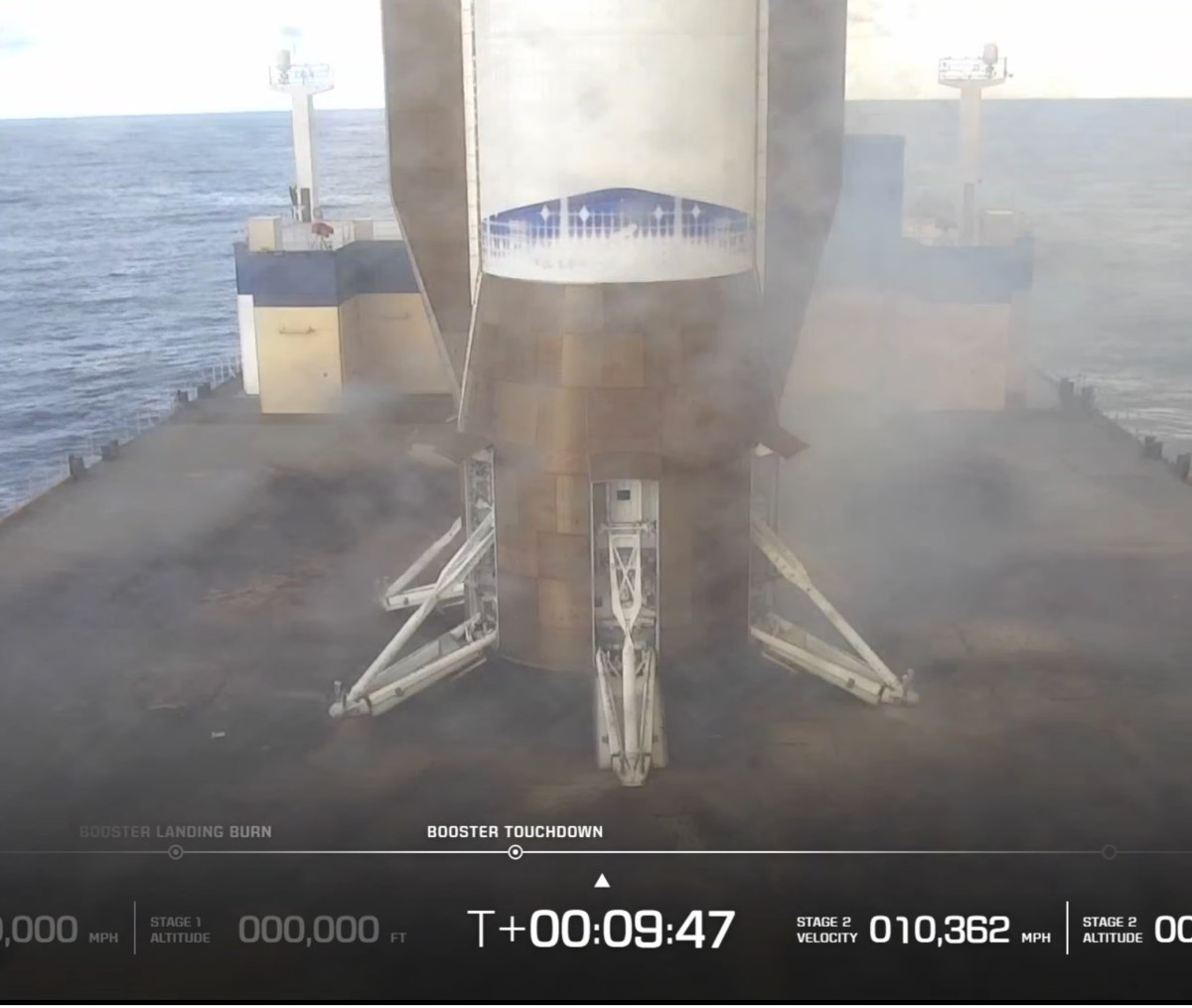
Blue Origin successfully landed the New Glenn rocket’s booster on a drone ship in the Atlantic Ocean during its second attempt, joining SpaceX as the second company to achieve this milestone. The accomplishment highlights the rocket’s potential to transport large payloads to space, the moon, and beyond. The launch also deployed NASA’s twin spacecraft for Mars atmospheric research, marking a significant step in interplanetary exploration. This success positions Blue Origin to challenge SpaceX’s dominance in the launch market, which relies heavily on reusable rocket technology. The achievement underscores the growing competition in commercial spaceflight and its implications for future lunar and planetary missions.
Key facts
- Blue Origin’s New Glenn rocket booster landed successfully on a drone ship after two attempts, following a January explosion on its first flight.
- The launch included deploying NASA’s twin spacecraft to study Mars’ atmosphere, enhancing interplanetary research capabilities.
- Reusable rocket technology, demonstrated here, reduces costs for commercial and government space missions compared to disposable systems.
- The success positions Blue Origin to compete with SpaceX, which dominates the market with Falcon 9 and Starship rockets.
- NASA and government agencies are prioritizing lunar programs, with Blue Origin vying to support these efforts through New Glenn’s capabilities.