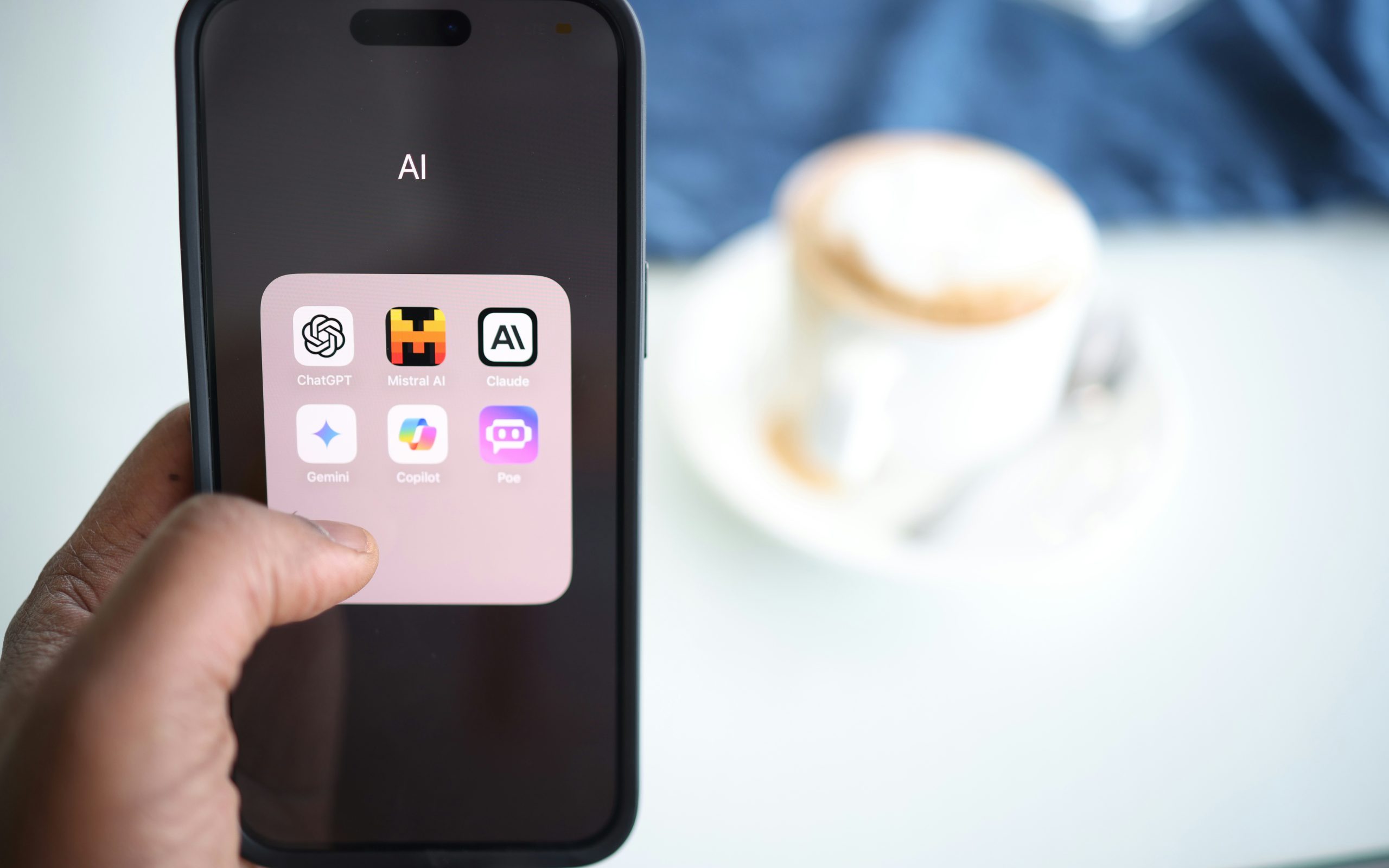
Source of this article and featured image is DZone AI/ML. Description and key fact are generated by Codevision AI system.
Aakash Sharma explores the evolution of AI agents from text-based systems to multimodal platforms capable of handling audio, images, and video. The article highlights how Google ADK enables developers to build real-time, bi-directional streaming applications with Gemini Live API. It explains the shift toward collaborative, context-aware agents that support seamless human-AI interaction. Practical insights include implementing WebSockets and SSE for real-time communication and leveraging session resumption for network resilience. This tutorial is worth reading for its hands-on approach to modern agentic systems development.
Key facts
- AI agents have evolved from text-only interactions to multimodal systems handling audio, images, and video.
- Google ADK provides tools for building real-time, bi-directional streaming applications with Gemini Live API integration.
- The article demonstrates how to implement session resumption and transparent reconnection for stable network communication.
- WebSockets and Server-Sent Events (SSE) are compared for their use cases in real-time AI interactions.
- Developers can use Google ADK’s pre-built tools, API server, and programmatic interface to test and deploy multimodal agents.
TAGS:
#agent development #AI agents #bi-directional streaming #Gemini Live API #Google ADK #multimodal systems #real-time AI #SSE protocols #WebSockets