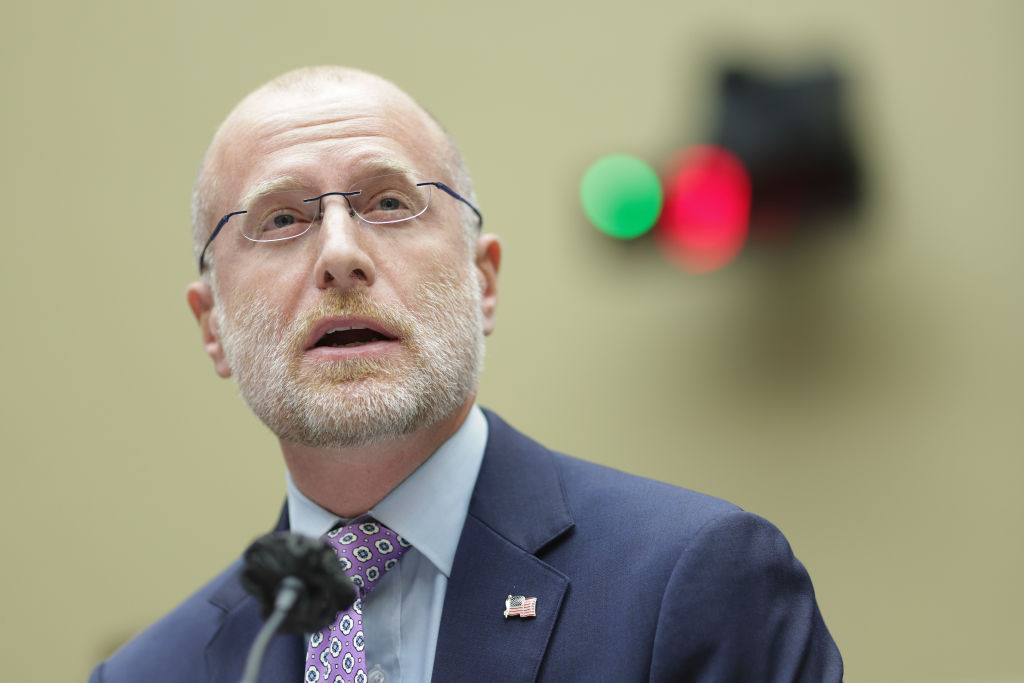
The U.S. Federal Communications Commission (FCC) voted to repeal cybersecurity rules requiring telecom companies to secure their networks against unauthorized access, with the decision split along party lines. Trump-appointed commissioners Brendan Carr and Olivia Trusty supported the rollback, while Democratic commissioner Anna Gomez opposed it, calling the rules the agency’s only significant cybersecurity effort since a major hacking incident. The rules, established under the Biden administration, aimed to protect against threats like the China-linked Salt Typhoon hacking group, which infiltrated over 200 U.S. telecom firms. Critics, including lawmakers, warned the move weakens national security by removing mandatory safeguards against state-sponsored cyberattacks. The FCC’s decision has drawn condemnation from senators and industry groups, highlighting deep political divides over cybersecurity regulation.
Key facts
- The FCC voted 2-1 to scrap cybersecurity rules mandating telecom companies to secure their networks against unauthorized access.
- Democratic commissioner Anna Gomez criticized the repeal as the agency’s only meaningful cybersecurity initiative since the Salt Typhoon hacking campaign.
- The Salt Typhoon group, linked to China, hacked over 200 U.S. telecom firms, including AT&T and Verizon, for surveillance purposes.
- Lawmakers warned the rule change exposes Americans to cyber threats by eliminating mandatory security measures.
- Industry groups praised the rollback as counterproductive, while experts emphasized the need for enforceable regulations to combat state-sponsored hacking.