Source of this article and featured image is Wired Science. Description and key fact are generated by Codevision AI system.
The article explores the debate surrounding marine ice cliff instability (MICI) as a potential catalyst for accelerated sea level rise. Scientists like Rob DeConto argue that warming oceans could destabilize Antarctic ice cliffs, potentially doubling projected sea level rise by 2100. Critics, including Jonny Kingslake and Nicholas Golledge, question MICI’s validity, emphasizing that surface melting and hydrological processes may play a larger role. The IPCC projects 0.3–2.5 meters of global sea level rise by 2100, but MICI could push this to 1–3 meters if realized. Evan Howell highlights the urgency of reducing carbon emissions to mitigate catastrophic outcomes, even as scientific consensus remains divided.
Key facts
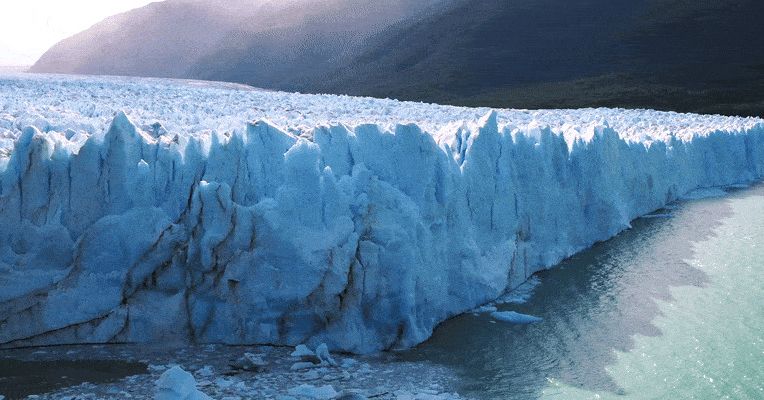
- MICI posits that warming oceans could destabilize Antarctic ice cliffs, triggering rapid ice loss.
- If MICI occurs, Antarctica’s contribution to sea level rise could double, reaching 1–3 meters by 2,100.
- Scientific debate centers on whether MICI is a valid mechanism or if surface melting plays a more significant role.
- Surface meltwater lubricates ice shelves and widens cracks, potentially leading to ice shelf collapse.
- IPCC projections suggest 0.3–2.5 meters of global sea level rise by 2100, but MICI could drastically increase this range.