Source of this article and featured image is Wired Security. Description and key fact are generated by Codevision AI system.
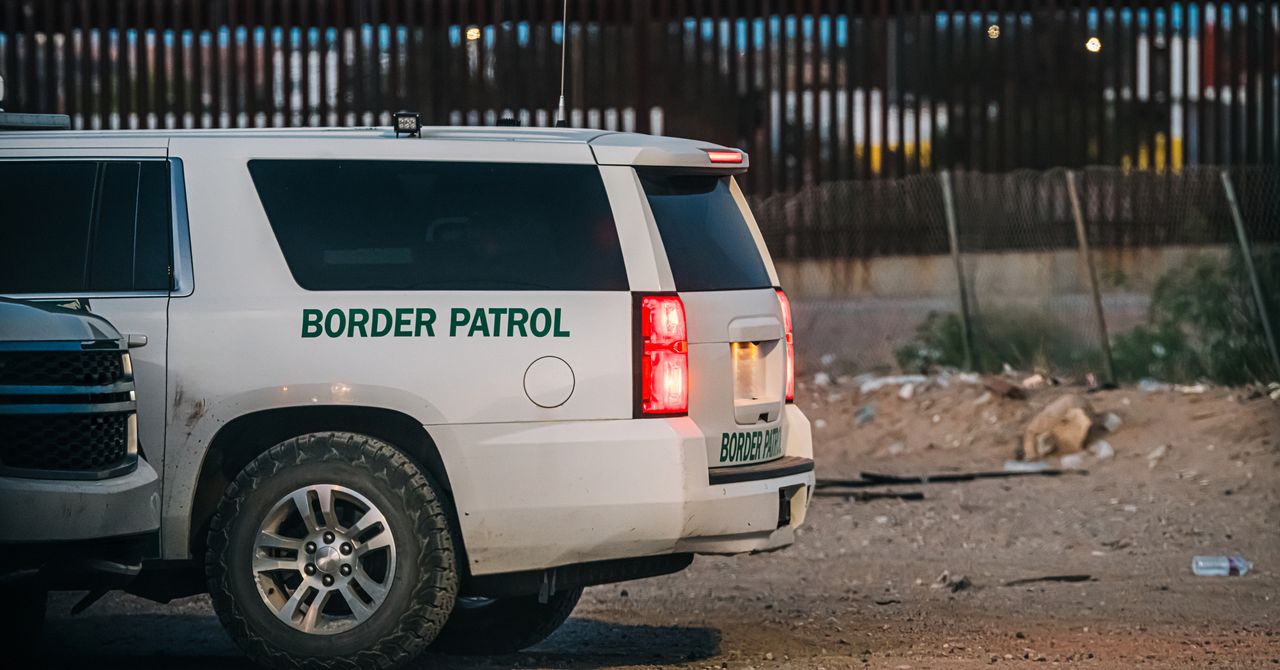
A Wired Security investigation reveals the US Border Patrol operates a surveillance program tracking millions of American drivers using covert license-plate readers. These hidden cameras, placed in traffic cones and roadside equipment, feed data to algorithms flagging suspicious travel patterns. Local police use this information to conduct traffic stops for minor infractions, often resulting in searches or arrests without finding contraband. Internal communications show agents share real-time details about citizens’ movements, raising Fourth Amendment concerns. The article also covers Microsoft countering a record-breaking DDoS attack, the SEC dropping claims against SolarWinds, and the FBI surveilling an immigration activist group.
Key facts
- The Border Patrol’s predictive-intelligence program uses license-plate readers to monitor drivers’ movements beyond border regions.
- Covert cameras hidden in traffic cones and roadside equipment collect data on travel patterns and associations.
- Law enforcement agencies use flagged data to justify traffic stops for minor infractions like window tint violations.
- Internal documents show agents share real-time personal details of citizens during coordinated surveillance operations.
- Legal experts warn the program’s scale violates constitutional protections by tracking Americans’ daily routines.
TAGS:
#border patrol #Civil Liberties #DDoS Attack #FBI surveillance #license plate readers #privacy #Security #surveillance